Tips to Reduce Your Car’s Carbon Footprint
Quick Facts First:
- Transportation accounts for 29% of U.S. greenhouse gas emissions
- The average car produces 4.6 metric tons of CO2 annually
- Switching to eco-friendly driving habits can reduce emissions by up to 25%
As climate change concerns accelerate, reducing your vehicle's carbon footprint isn't just environmentally responsible—it's becoming increasingly essential. With transportation being one of the largest contributors to greenhouse gas emissions, your car choices matter more than ever. Here are 15 proven strategies to make your vehicle more eco-friendly while potentially saving money.
Understanding Your Car's Environmental Impact
Before diving into solutions, it's crucial to understand the scope of the problem. The average passenger vehicle emits approximately 4.6 metric tons of carbon dioxide yearly. Multiply that by the 276 million registered vehicles in the U.S., and you get a staggering 1.26 billion tons of CO2 annually from cars alone.
15 Proven Tips to Reduce Your Car's Carbon Footprint
1. Maintain Optimal Tire Pressure
Did you know that underinflated tires can reduce fuel efficiency by up to 3%? Keeping tires properly inflated not only improves gas mileage but also extends tire life. Check pressure monthly and maintain the manufacturer's recommended PSI, typically found on the driver's side door jamb.
2. Regular Engine Tune-ups
A well-maintained engine can improve fuel efficiency by 4-40%. Simple actions like replacing dirty air filters, using the right motor oil, and keeping spark plugs in good condition make a significant difference in emissions output.
3. Drive at Optimal Speeds
Fuel efficiency typically peaks between 50-60 mph. For every 5 mph over 60 mph, you pay an additional $0.26 per gallon. Slowing down doesn't just reduce emissions—it saves money too.
4. Minimize Air Conditioning Usage
Air conditioning can reduce fuel economy by 1-4% in city driving. At speeds over 50 mph, opening windows creates more drag than AC use. Use AC sparingly and consider driving with windows open at lower speeds.
5. Remove Excess Weight
Every 100 pounds in your car reduces fuel economy by 1-2%. Clean out your trunk regularly—remove unnecessary items like gym bags, tools, or old coffee cups that add weight and reduce efficiency.
6. Plan Efficient Routes
Smart route planning can reduce emissions by 15-20%. Use GPS apps that calculate the most efficient routes, combine errands into single trips, and avoid peak traffic hours when possible.
7. Practice Eco-Driving Techniques
Smooth acceleration and braking can improve fuel economy by 10-40%. Anticipate traffic flow, maintain steady speeds, and use cruise control on highways to optimize fuel consumption.
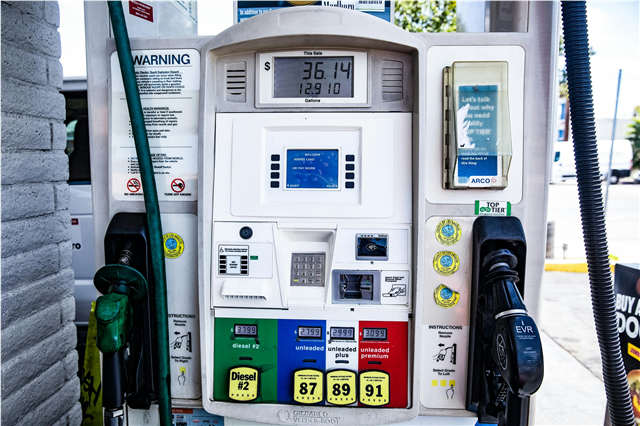
8. Use the Right Fuel Grade
Unless your car specifically requires premium fuel, using higher octane gasoline offers no benefits. Stick to the manufacturer's recommended fuel grade to avoid unnecessary costs and emissions from over-fueling.
9. Consider Alternative Transportation
For trips under 3 miles, walking or biking produces zero emissions. Consider public transportation, carpooling, or bike-sharing programs for short trips to significantly reduce your carbon footprint.
10. Upgrade to Electric or Hybrid
Electric vehicles produce 50% fewer emissions over their lifetime compared to gasoline cars. Even plug-in hybrids can reduce emissions by 30-60%, depending on your electricity source.
11. Choose Eco-Friendly Car Washes
Traditional car washes use 25 gallons of water per vehicle, while washing at home uses 100+ gallons. Professional car washes are more water-efficient and use environmentally friendly chemicals.
12. Proper Disposal of Car Fluids
Motor oil, batteries, and other fluids contribute significantly to environmental pollution when improperly disposed. Recycle these materials through authorized collection centers to prevent soil and water contamination.
13. Use Sun Shades and Park in Shade
Parking in shade reduces interior temperatures by 40-60°F, decreasing the need for air conditioning when you start driving. This simple habit can improve fuel efficiency by 2-5% during summer months.
14. Keep Your Car Longer
The environmental cost of manufacturing a car accounts for 15-20% of its total lifetime emissions. Keeping your vehicle for 15+ years instead of replacing it every 8 years can reduce your environmental impact by 30%.
15. Consider Car Sharing or Rental
For occasional needs, car-sharing services can reduce emissions by 30-50% compared to owning a second vehicle. Many services now offer electric or hybrid options for even greater environmental benefits.
The Bigger Picture: Why It Matters
Transportation accounts for 29% of greenhouse gas emissions in the United States—the largest sectoral contributor. By implementing these tips, an average driver can reduce their vehicle's carbon footprint by 20-40% annually.
Consider this: if every American driver improved their fuel efficiency by just 10%, we'd prevent 28 million tons of CO2 from entering the atmosphere yearly—that's equivalent to taking 6 million cars off the road.
Making It Personal
Start with one or two changes that require minimal effort but offer maximum impact:
- Check tire pressure this week
- Remove unnecessary weight from your car
- Plan efficient routes for your next trip
Remember, reducing your car's carbon footprint isn't just about saving the planet—it's about saving money, improving air quality, and creating a sustainable future for generations to come.
Key Takeaway: Small changes compound over time. By implementing just 3-4 of these strategies, you can reduce your vehicle's emissions by 25-30% while saving money on fuel and maintenance costs.
Ready to start reducing your car's environmental impact? Begin with one tip today and build momentum toward a more sustainable driving future.
Tags: eco-friendly driving, reduce car emissions, sustainable transportation, fuel efficiency tips, green driving habits, carbon footprint reduction, environmental car tips