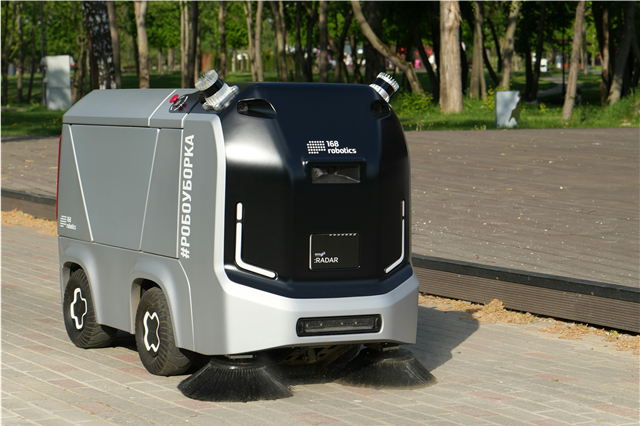
How Self-Driving Cars Are Revolutionizing Road Safety
The future of transportation is here, and it's steering us toward unprecedented road safety. Self-driving cars aren't just science fiction anymore—they're reshaping how we think about automotive safety with revolutionary technology that's backed by compelling statistics and fascinating innovations.
Startling Statistics That Prove the Safety Revolution
1. Human Error Causes 94% of Serious Traffic Accidents
The National Highway Traffic Safety Administration reveals that virtually all severe crashes stem from human mistakes. Self-driving cars eliminate distractions, fatigue, and impaired driving—addressing the root cause of road fatalities.
2. Autonomous Vehicles Could Prevent 1.3 Million Annual Deaths
With over 1.35 million people dying in road crashes each year globally, self-driving technology represents humanity's greatest opportunity to save lives that we've ever had on wheels.
3. Reaction Time: Humans vs. Machines—0.25 Seconds vs. Milliseconds
While human reaction times average 250 milliseconds, autonomous vehicle sensors respond in mere milliseconds—a difference that translates to avoiding countless collisions daily.
Cutting-Edge Safety Technologies Transforming Transportation
4. 360-Degree Awareness Surpasses Human Capability
Autonomous vehicles use lidar, radar, cameras, and ultrasonic sensors to monitor all directions simultaneously, eliminating blind spots that claim thousands of lives annually.
5. Vehicle-to-Vehicle Communication Prevents Accidents Before They Happen
Connected self-driving cars "talk" to each other, sharing speed, direction, and brake status up to 10 times per second—creating a networked safety net on highways.
6. Machine Learning Improves Safety Continuously
Unlike human drivers who make the same mistakes repeatedly, self-driving systems learn from millions of driving scenarios, constantly refining their safety algorithms.
Real-World Impact Already Showing Results
7. Waymo's Safety Record Outperforms Human Standards
Google's Waymo fleet has driven over 20 million miles with significantly fewer accidents per mile than human drivers—proving autonomous safety isn't theoretical.
8. Automated Emergency Braking Reduces Rear-End Crashes by 50%
Even partial automation features show dramatic safety improvements, with automatic emergency braking systems already preventing hundreds of thousands of accidents annually.
9. Night Vision Capabilities Exceed Human Limitations
Self-driving sensors operate effectively in complete darkness and adverse weather conditions where human vision fails, addressing peak accident hours between 6 PM and 9 PM.
Innovative Features Redefining Road Safety Standards
10. Predictive Analytics Anticipate Dangerous Situations
Advanced AI systems analyze traffic patterns, pedestrian behavior, and road conditions to predict and prevent potential hazards before humans even recognize the danger.
11. Zero Tolerance for Speeding, Drunk Driving, or Reckless Behavior
Autonomous vehicles strictly follow traffic laws, eliminating the 38% of speeding-related fatalities and 29% of alcohol-impaired driving deaths that plague our roads.
12. Consistent Performance Eliminates Fatigue-Related Accidents
Self-driving cars don't get tired, addressing the 7.5% of fatal crashes caused by drowsy driving and the 100,000+ annual fatigue-related accidents.
The Future of Transportation Safety
13. Platooning Technology Could Reduce Traffic Fatalities by 80%
Connected autonomous vehicles traveling in coordinated groups could eliminate most highway accidents while improving fuel efficiency and traffic flow.
14. Emergency Services Integration Saves Critical Minutes
Future self-driving cars will automatically contact emergency services in accidents, providing precise GPS coordinates and passenger information while initiating first aid protocols.
15. Pedestrian and Cyclist Protection Reaches New Heights
Advanced detection systems identify vulnerable road users with 99% accuracy, automatically adjusting vehicle behavior to prevent collisions with pedestrians and cyclists.
The Road Ahead: When Safety Meets Innovation
The self-driving revolution represents more than technological advancement—it's a fundamental shift toward a world where traffic fatalities become rare exceptions rather than tragic norms. With major automakers investing over $100 billion annually in autonomous technology and safety features, we're witnessing the most significant transportation safety evolution since the invention of the seatbelt.
As these 15 facts demonstrate, self-driving cars aren't just about convenience—they're about creating a future where getting to work, school, or vacation destinations doesn't carry the risk of never arriving. The safety revolution is accelerating, and every mile driven by autonomous vehicles brings us closer to roads where the greatest threat is eliminated: human error.
The question isn't whether self-driving cars will revolutionize road safety, but how quickly we can embrace this life-saving technology for generations to come.