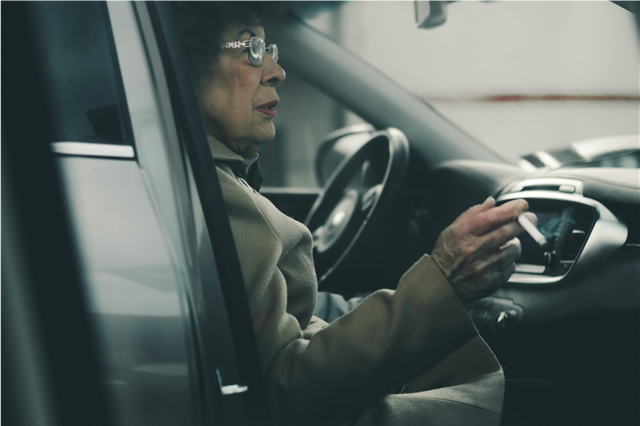
How Lane Assist and Automatic Braking Benefit Older Drivers
As our population ages, keeping experienced drivers safe on the road has never been more important. Did you know that Americans aged 65 and older are projected to double by 2060? While aging brings wisdom and experience behind the wheel, it also presents unique challenges that modern automotive technology is uniquely positioned to address.
The Reality: Why Senior Driver Safety Matters More Than Ever
By 2030, 1 in 5 drivers will be over 65, making senior driver safety not just a family concern, but a national priority. Here's what makes this demographic particularly vulnerable:
- Reaction times slow by approximately 15% after age 60
- Peripheral vision decreases by about 1-3 degrees per decade
- Over 75s have a 3x higher risk of fatal crashes per mile driven
- Medication affects 40%+ of seniors, potentially impacting driving ability
But here's the encouraging news: cutting-edge safety systems like Lane Departure Warning (LDW) and Automatic Emergency Braking (AEB) are proving to be game-changers for older motorists.
Lane Assist Technology: Your Digital Driving Companion
Modern lane assist systems use cameras and sensors to monitor road markings, providing gentle steering corrections when drivers unintentionally drift from their lane. For older drivers, this technology offers:
Vision Enhancement When It's Needed Most
Did you know the human eye receives 40% less light at age 65 compared to age 20? Lane assist systems don't rely on eyesight—they work around the clock, regardless of lighting conditions or visibility issues that can challenge senior drivers.
Fatigue Management Made Easy
Research shows that 1 in 5 crashes involve drowsy driving, and fatigue affects drivers over 65 disproportionately due to changing sleep patterns. Lane assist provides an extra layer of protection during those moments when attention naturally wavers.
Real-World Impact
Studies reveal that vehicles with lane departure warning systems see:
- 11% reduction in single-vehicle crashes
- 85% fewer lane-departure-related fatalities among users
- Particularly significant benefits during evening hours when visibility decreases
Automatic Braking: The Split-Second Guardian Angel
While reaction time may slow with age, automatic braking systems react in milliseconds—faster than human response ever could.
Understanding the Time Factor
When traveling at highway speeds (65 mph), the difference between a 1.5-second human reaction time and a 0.5-second system response means an additional 95 feet of stopping distance saved. That's nearly the length of three cars!
The Rear-End Collision Revolution
Here's where AEB truly shines:
- Reduces rear-end crashes by up to 50%
- Decreases injury severity in unavoidable collisions by 40%
- Works whether the driver sees the hazard or not
For older drivers who may have difficulty judging distances or processing multiple stimuli simultaneously, AEB acts as that crucial split-second safety net.
Beyond the Numbers: Real-Life Freedom
These technologies aren't just statistics—they represent independence maintained:
Margaret, age 72: "I no longer worry about highway driving. My car gently guides me back when I start to drift, especially helpful during my afternoon medication drowsiness."
Robert, age 68: "The automatic braking gave my wife and granddaughter peace of mind on our cross-country trip. It reacted faster than either of us could have."
The Cost-Benefit Analysis Everyone Should Know
Investment vs. Insurance: The average cost of adding advanced driver assistance systems to a vehicle ranges from $800-$1,500—significantly less than the average cost of a serious accident claim ($15,000+) or comprehensive insurance premium increases following an incident.
Insurance Incentives: Progressive, State Farm, and other insurers offer up to 20% discounts for vehicles equipped with forward collision warning and automatic emergency braking.
Integration Trends: The Future is Now Accessible
Manufacturers recognize the growing senior demographic:
- Toyota Safety Sense comes standard on most new Toyotas
- Honda Sensing available across Honda lineup since 2020
- Nissan Safety Shield reaches mainstream models under $30K
Even luxury features once reserved for high-end vehicles now filter down to affordable family cars, democratizing access to life-saving technology.
Installation Options for Existing Vehicles
Not ready for a new car? Aftermarket solutions exist:
- Mobileye Smart Assist systems retrofit for ~$1,000
- DriveSurance camera-based solutions for older model vehicles
- Professional installation ensures optimal sensor placement considering vehicle-specific factors
Choosing the Right System: What Seniors Need to Know
False Alarm Comfort: Modern systems learn driver behavior, reducing unnecessary alerts that might increase stress or cause distraction.
Customization Capability: Adjustable sensitivity settings accommodate individual comfort levels and driving preferences.
Weather Considerations: Look for systems tested in varied conditions—rain, snow, and bright sun can affect performance.
The Bigger Picture: Extended Independence Equals Better Quality of Life
Every year of safe independent driving translates to:
- Continued social connections and community engagement
- Reduced burden on family caregivers
- Maintenance of cognitive abilities associated with active lifestyle
- Economic savings from transportation independence
The average senior drives 8,000 miles annually primarily for medical appointments, grocery shopping, and family visits. Preserving these essential activities through enhanced safety technology isn't just convenient—it's crucial for overall well-being.
Looking Ahead: The Next Generation of Support
Emerging technologies build upon current foundations:
- Driver monitoring systems track alertness levels
- Adaptive cruise control reduces concentration demands
- Blind spot detection compensates for reduced visibility range
For families supporting aging loved ones, investing in vehicles with proven safety technology represents both practical protection and emotional peace of mind.
Whether you're researching for yourself or a parent, understanding how modern safety systems complement natural aging processes empowers informed decisions about continued mobility. With lane assist and automatic braking becoming standard equipment rather than expensive options, safe senior driving isn't just possible—it's increasingly probable.
The future of senior mobility combines experience with electronic enhancement, creating the safest generation of older drivers in automotive history.